
While school the past few weeks may have looked normal for most students, this time each year, Muslim students around the world observe Ramadan. Ramadan is a holiday that commemorates the holiest month of the Islamic calendar, emphasizing charity, self-purification and charity. To celebrate, people fast throughout the day, spend time with family, all while prioritizing reflection and meaningful traditions.
During Ramadan, students must fast from dusk till dawn, meaning they don’t eat or drink throughout the day. Shakha Afandikhonova explains the adjustment in her school routine to balance daily religious practices.
“My routine changes because I wake up early, around 5 a.m., before sunrise, to eat so I have energy for the day. My sleep schedule is a little different because I wake up earlier than usual and sleep earlier, so I can wake up without feeling tired,” Afandikhonova said.
Adjusting school sleep and mealtimes is a hard experience and requires mental toughness for students who observe Ramadan, especially while balancing rigorous coursework and other activities. The lack of food and water people are accustomed to on a regular basis leads to them feeling more tired throughout the day as they balance their normal responsibilities.
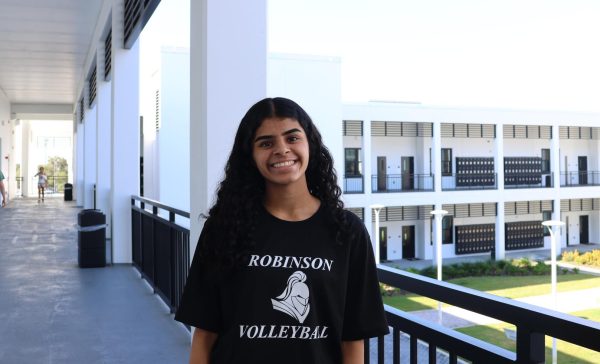
This is especially true for sophomore Hannah Fakhri, who grapples with both her IB coursework and is also a member of the varsity tennis team.
“Sometimes it is hard to stay focused in class because I often get headaches from the lack of water. Usually, my friends will help me with the work and kind of let me move a little slower. It usually makes my tennis game in general a little less sharp because it’s hard to focus and react quickly. The hardest part is when it’s hot, and I can’t drink water.”
For a teenager nowadays, handling meticulous schoolwork alongside a varsity sport requires focus and energy. For students observing Ramadan, the additional challenge of fasting makes conserving energy even more essential. Nevertheless, this does not stop students from stopping their activities, only allowing them to foster more maturity and self-control, trying not to drain their energy throughout the day.
“Sometimes it gets very hard to keep your fast up when it’s hot, and you’re tired and have a headache and things like that, but reminding yourself why you’re doing it and the importance of it really helps me push myself further. It takes a lot of mental strength as well, especially when everyone is eating and drinking around you; it’s hard to keep yourself focused, but having the strength to continue is key,” Fakhri said.
Yet, Ramadan is more than simply getting over hunger and through the day until sunset; it is a time that highlights the importance of family and community.
“My family spends time together in the evening when we break our fast. We usually sit together and eat, and sometimes invite family or friends over. It’s a time when everyone comes together and enjoys the evening,” Afandikhonova said.
Despite the long hours of fasting as well as the gruesome hours of school, Ramadan commemorates prayer and community, teaching those who celebrate lessons of patience, discipline and resilience.