
In 2025, consumerism hit rock bottom. The foremost trends of the year centered around just buying something. People’s appetite for new stuff was insatiable. And yet, at the same time, anti-consumerist sentiment was at an all-time high. Alongside labubu and Dubai chocolate trends came a tsunami of backlash, with people quickly writing these trends off as just another way of bringing landfills to new heights. People were, for once, agreeing that we owned too much junk. Fast fashion: bad. Labubus: bad. Huge Shein hauls: bad.
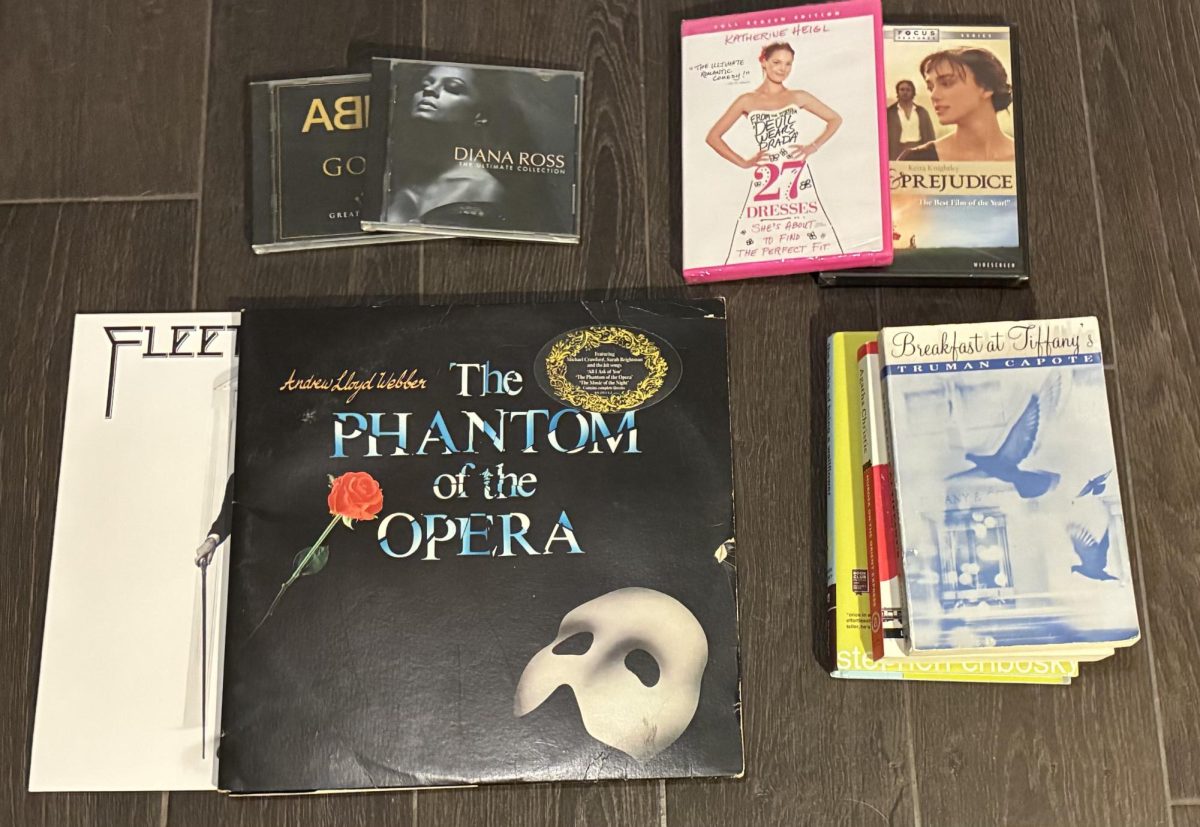
Fast forward to barely a month into 2025, and “Going Analog” is trending. Suddenly, nobody owns anything. The Analog trend feeds itself off of fear: The fear that, because of the growth of a subscription-based economy, you don’t really own any of the media you consume. Take Spotify and other listening platforms. Proponents of going analog would say that because of subscriptions, you don’t own any of the music you are listening to. The same goes for Netflix, Apple Music, Kindle and so on.
By going analog, or buying more traditional forms of media, like DVDs, CDs and physical books, you own what you consume. And to that I say: Since when did consuming media have anything to do with owning it? The purpose of a book isn’t to own the book, it’s to read it. The purpose of a song isn’t to own the song.
And then of course, there is the other reason people are going analog, which is to get offline. The idea is that if you listen to music on an iPod instead of an iPhone, you prevent yourself from falling into the trap that is doomscrolling. This is a rather noble goal. I think we can all agree that we are online far too much. But doesn’t that just lend itself to perfect irony? An online trend about getting offline. Personally, I find it boggling that influencers, who make their money off of people being online, are advocating for this at all.
And then I noticed that all of their posts about “going analog” include a host of affiliate links that graciously guide the viewer to products that will help them get offline. Feasibly, the part of this trend that has become the most popular is the viral videos of influencers making so-called “analog bags” filled to the brim with products to help people get off of their phones. All of which are found on their Amazon Storefront, where they earn a commission, of course.
In my opinion, there are so many ways that you can de-digitalize yourself without endlessly contributing to the amount of plastic already on Earth. There are countless free apps that limit your screen time for you. And yes, there are many people out there who buy CD’s, books and vinyl (myself included) out of a genuine interest in the media themselves. But there is a very legitimate difference between buying things for a hobby versus buying things to throw out in a few years’ time.
And so, the cycle continues, of people suddenly becoming aware of their own consumerism, and companies immediately responding with neo-consumerism masked and marketed as a trend. Thus, no progress is being made. What we need to do to break free of the cycle is to stop diagnosing the problem and instead propose actual solutions, and present them as policies instead of a passing trend.