
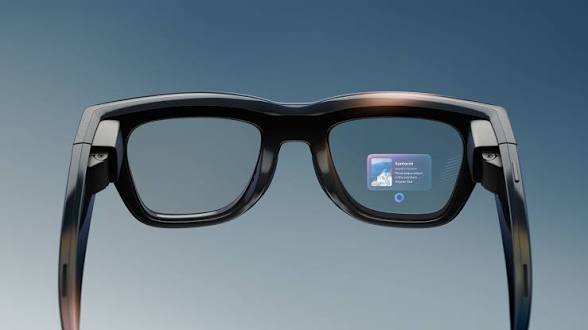
The glasses are stylish, the video quality is crisp, and the “hands-free” convenience is undeniable. But as Meta AI glasses continue to trend, we need to stop celebrating the tech and start looking at the cost. In my view, these glasses aren’t just a new gadget, they are a direct assault on the concept of public privacy, turning every casual bystander into an unwitting extra in someone else’s digital content.
The most glaring issue is the fundamental lack of consent. Yes, Meta included a small LED light to signal when the camera is active, but in a sunlit park or a crowded subway, that tiny flicker is easily missed or ignored. We are effectively entering an era where you can no longer trust that a person looking at you is simply seeing you. They might be recording your private conversation, your moment of frustration, or even your children, all without you ever knowing. By the time that “POV” video hits TikTok or Instagram, you are all over the internet.
Beyond the recording itself, the “bad stuff” that follows is where the real harm lies. The current trend thrives on spectacle, often at the expense of others. We see “cringe” compilations and “public freakout” videos that strip people of their dignity for the sake of likes. These glasses make it dangerously easy to capture someone on their worst day and broadcast it to millions. This isn’t just for fun- this is a form of making fun of others.
Furthermore, recent reports have shown that the privacy risks extend even to the users themselves. In 2026, investigations revealed that subcontracted workers were reviewing intimate footage including clips from bedrooms and bathrooms captured by these devices to “train” the AI. When the technology is so invasive that it even records the wearer’s private life for corporate review, it’s clear the safeguards are failing.
Innovation should move us forward, but this trend is moving us backward into a world of paranoia and exploitation. We should stop making these glasses “the next big thing” until we prioritize the right to exist in public without being turned into a data point or a viral punchline. Real life shouldn’t require a privacy policy just to walk down the street.