
The mental strength of an athlete is continually growing, always shifting, never resting, and forever questioning how to improve, but nothing ever satisfies the hunger for first place. Athletes begin adding more weight during their weightlifting sessions, increasing the distance in their cardio training, and even training outside normal practice times to get ahead of their opponents, but at what point is it all too much?
In a study on student athletes, Northwestern University found that over 80% of high school athletes have reported sustaining at least one sport-related injury in their lifetimes. Especially due to the importance of high school athletics in having a career in sports.
At Robinson, many athletes on sports teams have faced significant injuries as training demands have increased, so much so that they’ve begun to become common. However, it wasn’t always this way.
A lack of stretching before and after workouts is a trend on most High School sports teams, limiting athletes’ maximum athletic capacity. Of the athletes at Robinson who had sustained an injury, those who had gone to see a physical therapist explained that stretching became a major part of their recovery, and a daily part of their routine getting back into sports.
“I had to get knee surgery right when my season started, missing the entire season.” Pitcher for the Robinson Softball team, Kaylin Merit (26) said. “For a while, I did a lot of physical therapy and began focusing on stretching to prevent further injuries, but in the meantime, I missed out on all recruiting opportunities to play in college.”
Junior year stands as a pivotal point in sports recruitment into college sports. One simple injury took a major toll on Merit’s sports career, likely crushing any chances of playing after high school
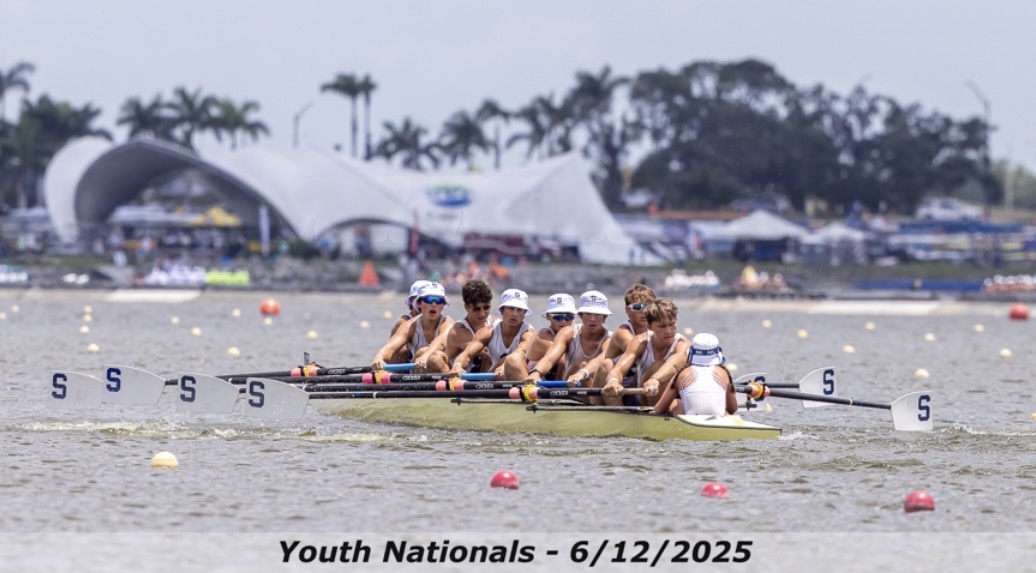
Another Robinson athlete thats fallen victim to injuries is Captain of Team Tampa Rowing Nina Rubio (’26).
“I got a back injury in my sophomore year, preventing me from racing and having to sit out of practices,” Rubio said. “I had lost all momentum in my improvement; the injury made me very demotivated and stressed.”
On top of being a student, sports add another layer of stress in a student-athlete’s life. Often, demotivation in sports can carry through into academics and develop an early case of “Senioritis” in most. Overtraining harms both physical and psychological capacities.
Recently, Lindsay Shoop, a 2008 Olympic gold medalist, has become a crucial resource for Sarasota Crew, a highly successful local crew team with athletes from Robinson. With incredible knowledge of strength and weight training, Lindsay Shoop has been helping athletes recover from injuries all season long. Implementations of mandatory dynamic stretches before workouts have significantly reduced the number of injuries on the crew team, allowing for more athletes to row on race day. This highlights the importance of often-overlooked stretching in the prevention of career-ending injuries.
With the increased amount of volume younger athletes are completing due to heavier competition, severe injuries such as ACL tears are more common now than ever before. To prevent this, it’s crucial to assess monitor training and intensity levels, something now easier than ever.
With the advancement of technology, brands like Whoop are expanding the field of athletics, giving athletes never-before-seen information on heart rate, strain and even recovery. Additionally, with the holiday season approaching, adding a heart rate monitor to your Christmas list may be a good idea. Finally, never forget the body needs time to repair its muscle fibers for growth, making rest days not optional.